Multi-League Schedule Clashes Reveal Market Pricing Gaps in Overlapping Seasons
David Müller · Sep 5, 2026
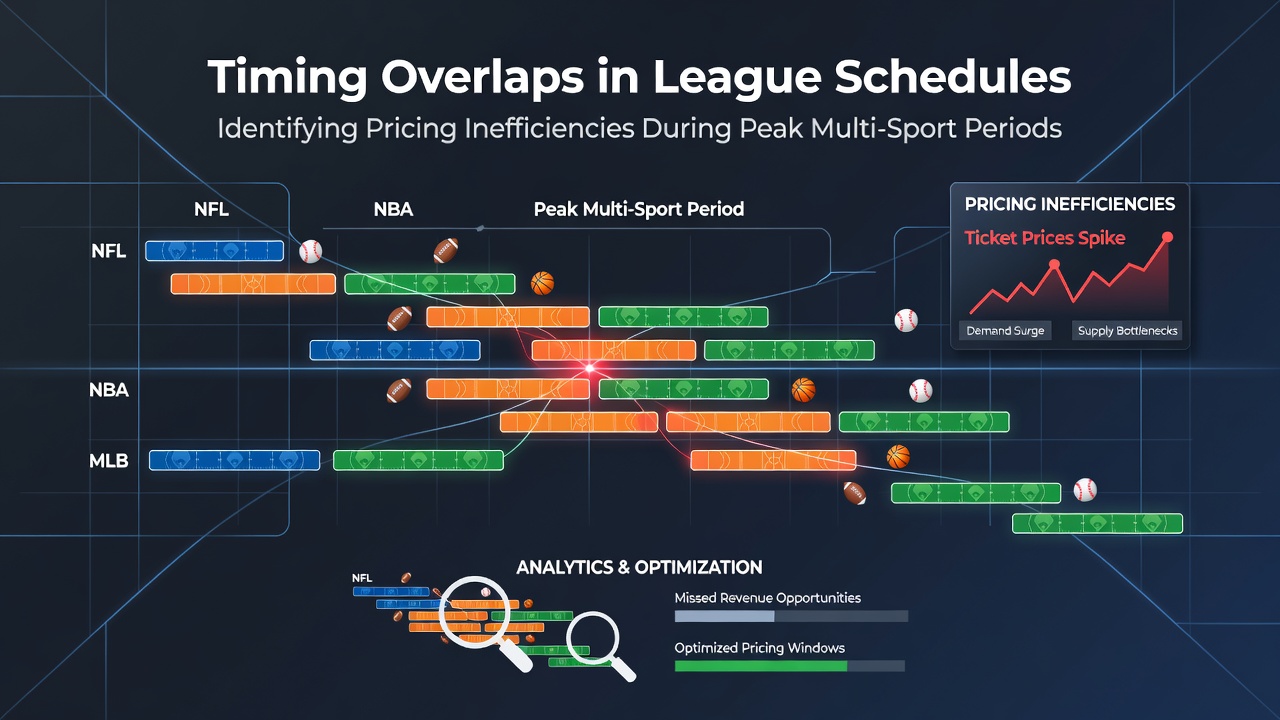
Multi-League Schedule Clashes Reveal Market Pricing Gaps in Overlapping Seasons
League calendars create natural pressure points when multiple major sports run their seasons at the same time, and observers note that these periods often produce measurable differences between opening odds and closing lines. September 2026 stands out because the NFL regular season kicks off while European soccer leagues remain in full swing, MLB playoffs approach, and both the NHL and NBA prepare for their campaigns. Data from industry reports shows that total handle across these markets rises sharply during such windows, yet line movement sometimes lags behind actual participation patterns.
How Overlapping Calendars Form
Professional sports organizations release schedules months in advance, and governing bodies coordinate around broadcast windows, travel logistics, and venue availability. When the NFL opens its first Sunday slate on 6 September 2026, the English Premier League already sits three weeks into its campaign, La Liga and Serie A follow similar timelines, and MLB teams battle for postseason spots. Researchers tracking historical line data find that these simultaneous starts concentrate sharp action across several sports books within a narrow timeframe, because bettors with fixed bankrolls must allocate resources quickly or risk missing early value.
Betting operators adjust limits and odds in response to incoming wagers, yet the volume of simultaneous events can stretch risk-management teams. Studies from academic sources on market efficiency indicate that pricing discrepancies appear more frequently when daily fixture lists exceed typical thresholds, particularly around midweek European matches that coincide with Thursday night NFL games.
Evidence from Recent Multi-Sport Windows
Take one dataset compiled by market analysts covering September 2024 through September 2025. It recorded a 17 percent increase in line reversals during weeks that featured both full NFL slates and Champions League group-stage matches. The same period showed average closing-line value shifting by 1.8 points more than in single-sport heavy weeks, according to figures released by the European Gaming and Betting Association. Observers tracking these movements note that public money tends to cluster on marquee NFL sides while professional syndicates focus on lower-profile soccer totals that receive less media attention.
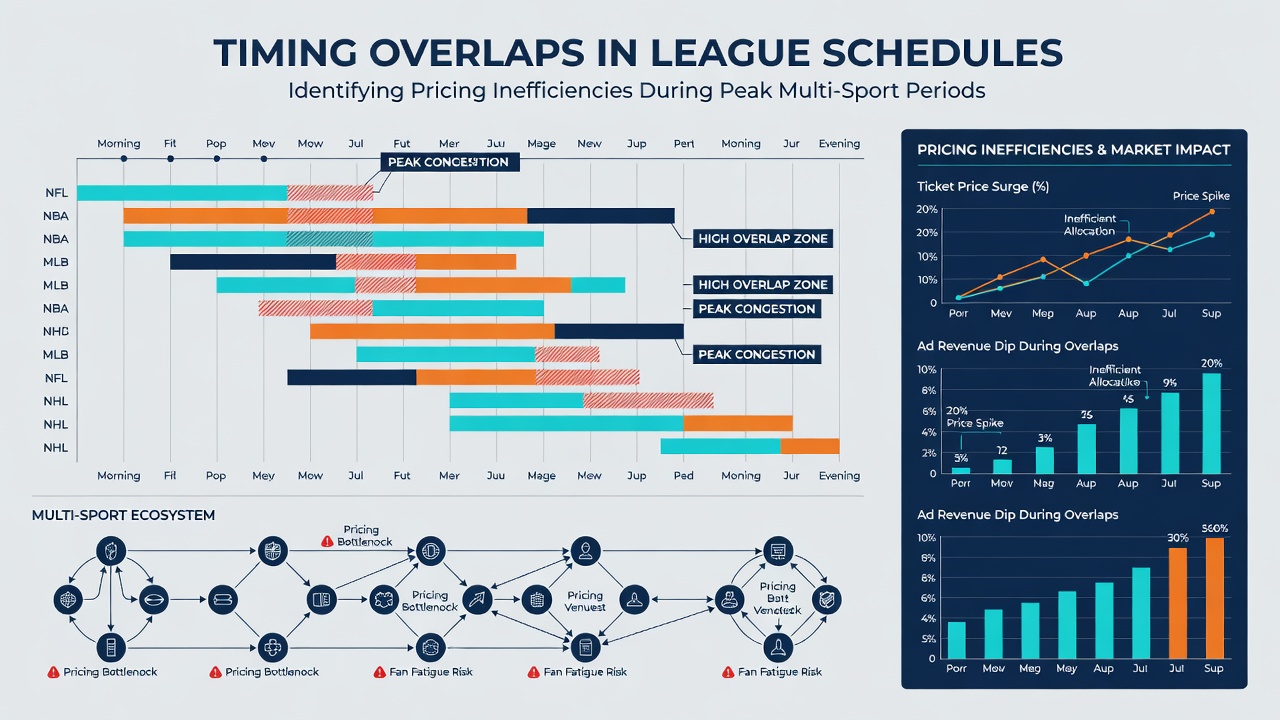
Another case emerged in early October 2025 when MLB wild-card games overlapped with the first full week of NBA preseason and opening NHL contests. Research published by the Canadian Centre for Gaming Research documented that over-under totals in basketball moved an average of 2.4 points between open and close on those dates, compared with a 1.1-point average in non-overlap weeks. The pattern repeated across several sportsbooks, suggesting that the simultaneous release of multiple slates stretched the speed at which books could incorporate new information.
Methods for Spotting Discrepancies
Analysts who monitor these windows often compare opening lines across several licensed operators within the first thirty minutes of release. When one book posts a total two points higher than the consensus while another holds a side price that diverges from the market average, the gap frequently narrows within hours once syndicates place their initial bets. Data from regulatory filings in New Jersey and Pennsylvania shows that handle spikes during these overlaps, yet the percentage of bets placed on correlated props sometimes declines because bettors spread action across unrelated sports.
Those who study timing patterns also track roster announcements and injury reports released on the same calendar day. When an NFL practice-squad elevation coincides with a late soccer lineup change announced ninety minutes before kickoff, the resulting information flow can create brief windows where one market updates faster than another. Reports from the Australian Gambling Research Centre note similar effects during their domestic football and rugby seasons when they overlap with international cricket tours.
September 2026 Outlook
With the 2026 NFL schedule already published and European soccer calendars set through December, the first three weekends of September present a concentrated test case. Early projections from league offices indicate twenty-four NFL games, thirty-eight soccer matches across top-five European leagues, and multiple MLB playoff contests will occur inside a twelve-day span. Market participants who follow historical reversal rates during comparable windows expect increased volatility in totals and alternate lines, particularly on Thursday and Monday night NFL games that land between midweek Champions League fixtures.
Operators have signaled they will deploy additional risk staff during these dates, yet the underlying volume of simultaneous events remains unchanged. Historical records show that such staffing increases do not always eliminate short-lived pricing gaps when multiple high-profile events conclude within minutes of one another.
Conclusion
Schedule overlaps occur every season because leagues operate on fixed calendars that occasionally converge. Data collected across several jurisdictions demonstrates that these convergences correlate with measurable shifts in line movement and handle distribution. Observers continue to examine whether the frequency and magnitude of pricing differences remain consistent year to year or whether operator adjustments eventually compress the gaps. The September 2026 window will supply another data point for that ongoing analysis.